
Gold Filled Jewelry: What It Is, How It Performs, and Whether It’s Worth Buying
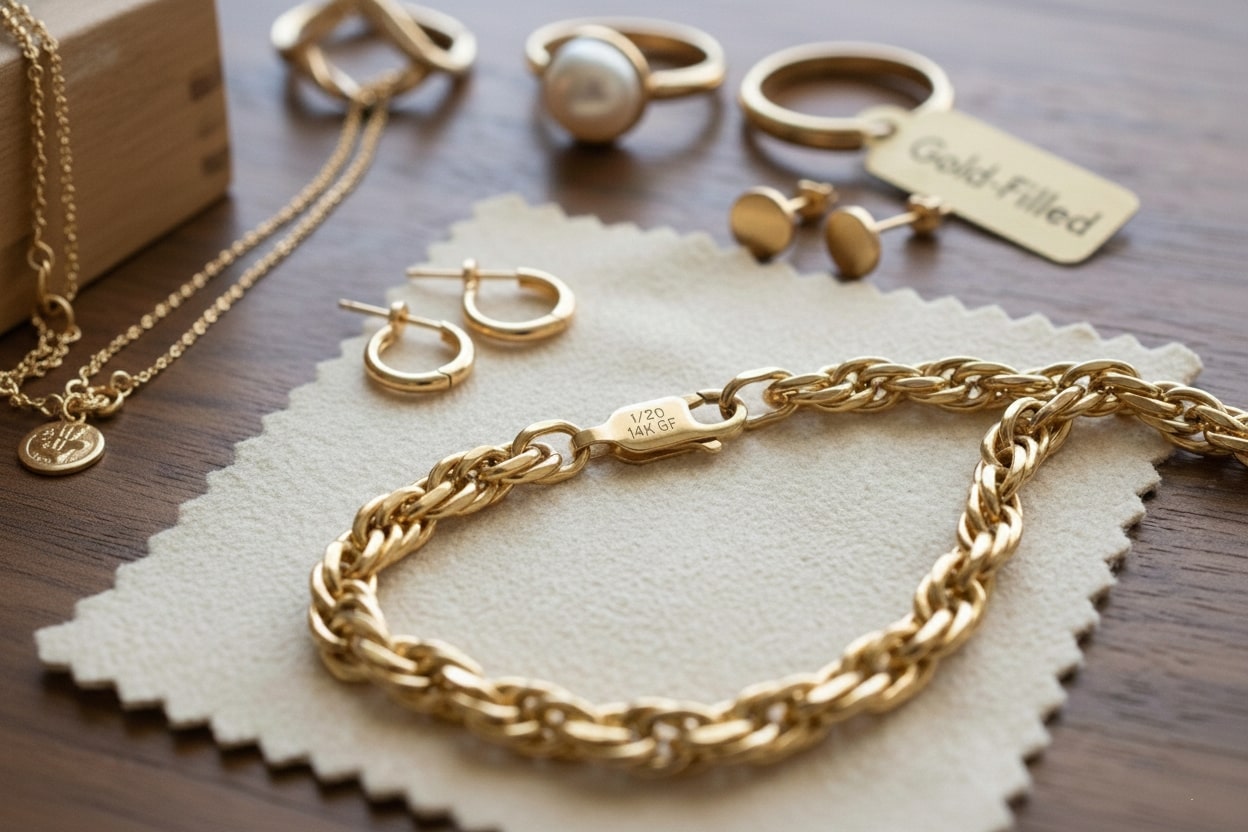
Some jewelry feels too cheap to last, and some feels too expensive to justify. Gold-filled sits in the middle—a material meant to offer the look and longevity of real gold without the price tag of solid gold.
But the term itself is often misunderstood, and this guide walks you through everything that matters—from gold content and durability to value and care—so you can decide whether it fits your style, budget, and everyday lifestyle.
What Gold-Filled Jewelry Actually Is
Gold-filled jewelry contains a thick layer of real gold that’s permanently bonded to a base metal, usually brass. Legally, the gold layer must make up at least 5% of the item’s total weight—far more than gold-plated pieces, which only use microns of gold.
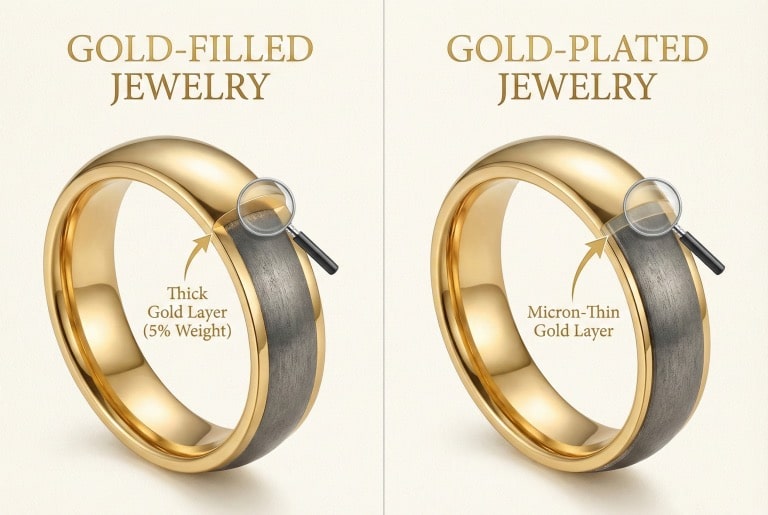
Because the gold is bonded using heat and pressure, it doesn’t flake or rub off the way plated jewelry often does. A common concern is whether gold-filled jewelry might discolor your skin, but genuine gold-filled rarely causes the green staining associated with cheaper plated pieces.
Most pieces follow U.S. FTC standards and are marked with:
-
1/20 14K GF
-
14/20 GF
-
12K GF
Most gold-filled jewelry is made with 10K, 12K, or 14K gold, with 14K being the most common purity used in the bonding layer. If you’re choosing between purities, 14K gold-filled tends to offer the best balance of long-term color, durability, and affordability.
If a piece claims to be “24k gold-filled,” it’s a red flag—this designation doesn’t legally exist.
Durability and How Gold-Filled Compares to Other Gold Options
Gold-filled is widely considered the most durable alternative to solid gold. For most people wearing it daily, it can last many years while maintaining its shine. Water, sweat, and regular washing rarely cause issues; only chlorine and harsh chemicals significantly reduce lifespan. Many people comfortably wear gold-filled jewelry “24/7” during sleep, workouts, and daily routines.
When compared with other gold materials, the differences become clear:
-
Solid gold is the most durable and hypoallergenic, but also the most expensive.
-
Gold-filled provides long-term wear at a fraction of the cost.
-
Vermeil offers a nice mid-range option with gold over sterling silver.
-
Gold-plated is the least durable and usually the quickest to fade.
| Material | Gold Content | Durability | Tarnish Resistance | Hypoallergenic | Water-Safe | Price |
|---|---|---|---|---|---|---|
| Gold-Filled | High (5% of weight) | Excellent | Very high | Usually yes | Yes | $$ |
| Gold-Plated | Very low | Poor | Low | Sometimes | No | $ |
| Vermeil | Medium | Good | Medium–High | Yes | Mostly | $$ |
| Solid Gold | 100% | Lifetime | Lifetime | Yes | Yes | $$$$$ |
This is why many shoppers view gold-filled as the “sweet spot”—high durability, great color retention, and a real-gold look without the premium pricing.
Benefits of Gold-Filled Jewelry & Who It’s Best For
Gold-filled offers a level of performance most plated jewelry can’t match. Its biggest advantages include:
-
Long-lasting durability that holds up through daily wear
-
Comfort for sensitive skin, since the outer layer is real gold
-
A solid-gold appearance without the solid-gold price
-
Low maintenance, keeping its shine with minimal polishing
-
Everyday reliability, whether you’re working, sweating, or traveling
Gold-filled also performs differently depending on the type of jewelry—necklaces and earrings hold up extremely well, while rings experience more friction but still last far longer than plated options.
Because of these benefits, gold-filled is especially suited for:
-
people who wear jewelry all day
-
minimalists who want a few high-quality pieces
-
sensitive-skin wearers
-
shoppers who want long-term value on a budget
-
gift buyers who want something meaningful but affordable
Overall, gold-filled is for anyone who wants beautiful, durable jewelry without treating it like something delicate or expensive.
Value, Identification, and Everyday Care
Is gold-filled worth anything?
Gold-filled contains real gold, but not enough for melt value. Its long-term worth comes from its design, durability, and longevity—not investment value. In terms of wear, it offers years of consistent color and strength, which is why many people choose it over plated jewelry.
How to identify genuine gold-filled pieces
Look for proper hallmarks such as 1/20 14K GF. Avoid pieces labeled “24K gold-filled,” unmarked items, overly cheap prices, or sellers using “gold plated” and “gold filled” interchangeably. Gold-filled pieces also feel slightly heavier and show a thicker, more matte gold layer at the edges.
How to care for gold-filled jewelry
Gold-filled is low maintenance:
Do:
-
clean with mild soap and warm water
-
pat dry
-
store separately
Avoid:
-
chlorine
-
abrasive polishing
-
harsh cleaners
-
spraying perfume directly on the metal
With simple care, gold-filled can stay bright for many years.
Typical price range (U.S.)
-
Necklaces: $30–$120
-
Bracelets: $25–$100
-
Earrings: $20–$60
-
Rings: $20–$80
Prices vary by design and gold thickness.
FAQs
Is gold-filled real gold?
Yes—it’s a thick, bonded layer of real gold, but not solid gold.
Does gold-filled fade?
Very slowly. It keeps its color for years with normal wear.
Can you shower with gold-filled jewelry?
Yes. Water is fine; chlorine is not.
Is gold-filled good for sensitive skin?
Usually yes, especially nickel-free pieces.
How long does gold-filled last?
Several years to over a decade with proper care.
Is gold-filled better than gold-plated?
Yes—much more durable and far more resistant to wear.
Conclusion
Gold-filled jewelry offers one of the strongest combinations of durability, affordability, and true-gold appearance on the market. It’s not meant for investment, but it’s excellent for everyday wear and long-term use. If you want jewelry that looks like solid gold, feels like solid gold, and lasts far longer than plated pieces—without the high price—gold-filled is one of the smartest choices you can make.